
để lại lời nhắn
Nếu bạn quan tâm đến sản phẩm của chúng tôi và muốn biết thêm chi tiết, vui lòng để lại tin nhắn tại đây, chúng tôi sẽ trả lời bạn sớm nhất có thể.

Lưới thoát nước địa tổng hợp so với màng địa kỹ thuật tổng hợp: Những điểm khác biệt chính, ứng dụng và cách lựa chọn
Trong các hồ chứa, ao, bãi chôn lấp, nhà máy xử lý nước thải, công trình ngầm và các dự án kỹ thuật dân dụng khác, lưới thoát nước địa tổng hợp và màng địa kỹ thuật tổng hợp đều là những vật liệu địa tổng hợp được sử dụng rộng rãi. Tuy nhiên, chúng được thiết kế để giải quyết các vấn đề khác nhau.
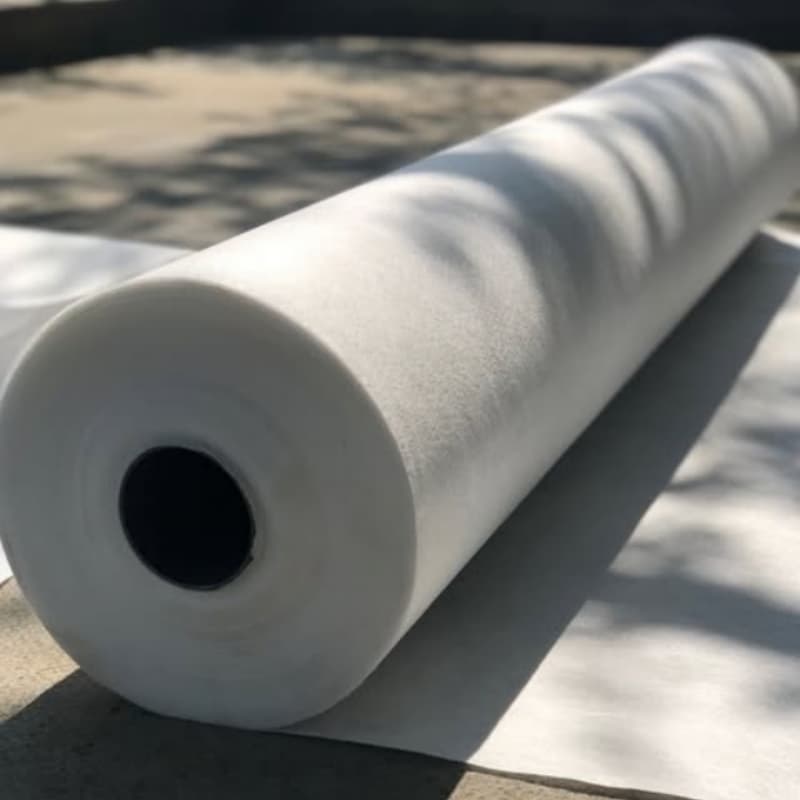
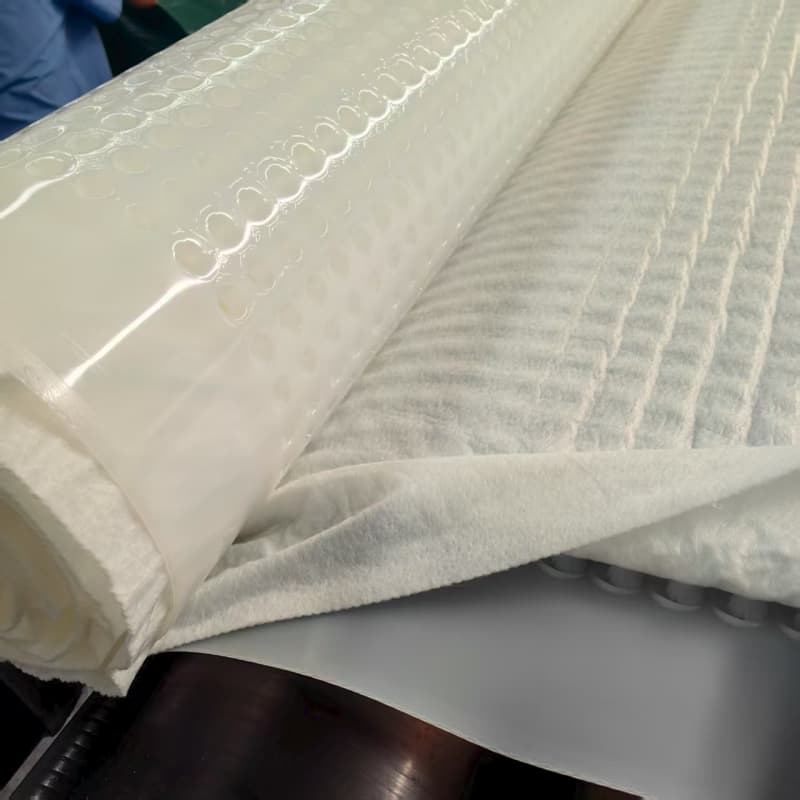
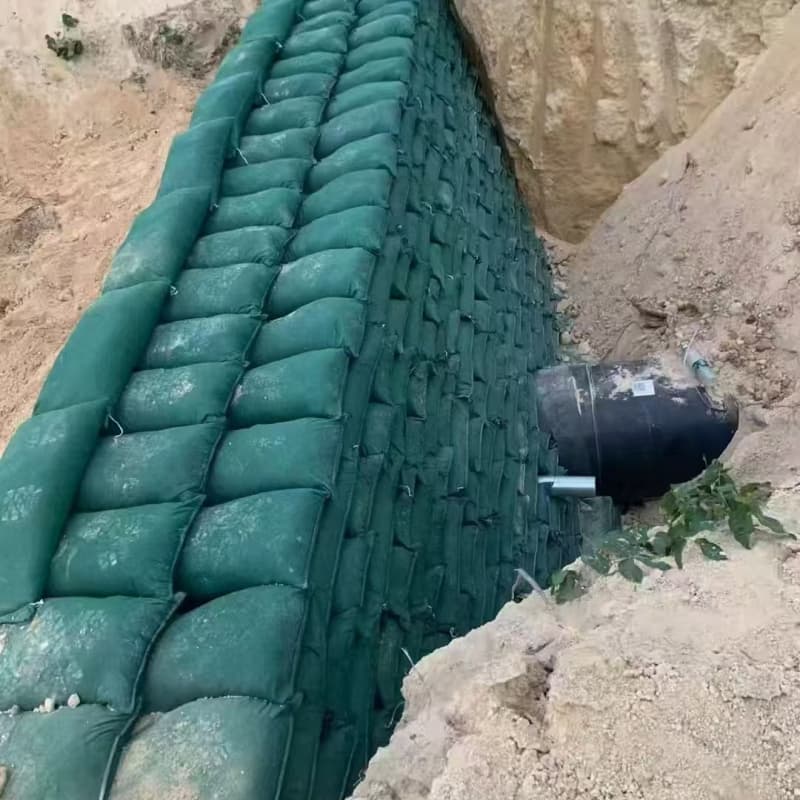
A Lưới thoát nước địa tổng hợp Thông thường, hệ thống này bao gồm một lõi thoát nước ba chiều kết hợp với một hoặc hai lớp vải địa kỹ thuật. Lõi thoát nước tạo ra đường dẫn dòng chảy liên tục, trong khi vải địa kỹ thuật có chức năng lọc và phân tách.
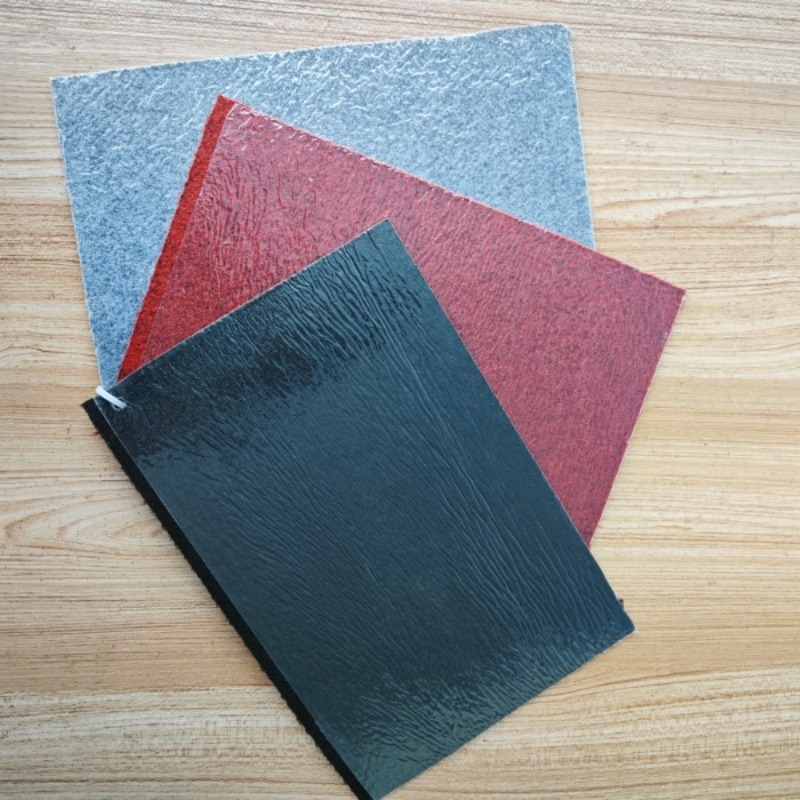
Màng chống thấm hỗn hợp kết hợp màng chống thấm địa kỹ thuật với vải địa kỹ thuật. Màng chống thấm địa kỹ thuật đóng vai trò là rào cản chính ngăn chặn sự thấm ướt của chất lỏng, trong khi vải địa kỹ thuật cung cấp lớp bảo vệ và gia cường.
| Mục | Lưới thoát nước địa tổng hợp | Màng địa kỹ thuật tổng hợp |
| Cấu trúc chính | Lõi thoát nước + vải địa kỹ thuật | Màng chống thấm + vải địa kỹ thuật |
| Chức năng chính | Thoát nước, dẫn nước, lọc nước | Kiểm soát rò rỉ, phân tách, bảo vệ |
| Các dự án điển hình | Hệ thống thoát nước bãi rác, hệ thống thoát nước sườn dốc, hệ thống thoát nước ngầm, hệ thống che phủ | Hồ chứa, ao, cơ sở xử lý nước thải, lớp lót bãi chôn lấp. |
| Vấn đề chính được giải quyết | Cách để di chuyển nước đi | Cách ngăn ngừa rò rỉ chất lỏng |
| Các yếu tố lựa chọn chính | Lưu lượng, sức cản nén, khả năng lọc | Độ dày, độ bền kéo, khả năng chống thủng, khả năng chống thấm nước |
Tại sao chúng không thể thay thế cho nhau?
Hai loại vật liệu này có cấu trúc và chức năng khác nhau, vì vậy thông thường không nên coi chúng là chất thay thế trực tiếp cho nhau.
A Lưới thoát nước địa tổng hợp Tạo ra một đường dẫn thoát nước liên tục. Khi cần thu gom và xả nước ngầm, nước rỉ rác hoặc các chất lỏng khác, lõi thoát nước sẽ dẫn chúng đến cửa thoát nước được chỉ định. Khi đánh giá hiệu suất thoát nước của lưới thoát nước địa kỹ thuật tổng hợp, độ dày chỉ là một yếu tố. Các yếu tố khác cũng cần được xem xét, chẳng hạn như cấu trúc lõi thoát nước, tải trọng dài hạn, hành vi nén, hiệu suất lọc, độ dốc và khả năng dẫn dòng dài hạn.
A Màng địa kỹ thuật tổng hợp Nó có chức năng khác. Nó được sử dụng để kiểm soát sự di chuyển của chất lỏng qua lớp chắn. Trong một hồ chứa, mục tiêu là giảm sự thấm vào nền móng. Trong bãi chôn lấp hoặc cơ sở xử lý nước thải, lớp chắn giúp ngăn chất lỏng bị ô nhiễm xâm nhập vào đất và nước ngầm xung quanh.
Tóm lại, lưới thoát nước địa tổng hợp dẫn nước, trong khi màng địa kỹ thuật tổng hợp kiểm soát sự thấm nước. Khi một dự án yêu cầu cả hai chức năng này, hai vật liệu có thể được kết hợp vào cùng một hệ thống.
Hồ chứa Sillico ở Lucca, Tuscany, Ý, là một công trình kỹ thuật được ghi chép đầy đủ. Được xây dựng vào năm 1940, hồ chứa có dung tích chứa tối đa gần 8.000 m³ và cung cấp cột nước ổn định khoảng 51 m cho nhà máy thủy điện phía hạ lưu. Hệ thống chống thấm ban đầu sử dụng các tấm bê tông, nhưng sự lún không đều của nền móng đã gây ra hiện tượng nứt vỡ lặp đi lặp lại qua nhiều năm. Vào ngày 28 tháng 5 năm 2020, hệ thống chống thấm hiện có bị hư hỏng và toàn bộ lượng nước tích trữ đã được xả hết, dẫn đến một dự án cải tạo.
Giải pháp cuối cùng áp dụng một hệ thống địa tổng hợp linh hoạt bao gồm... màng địa kỹ thuật tổng hợp bao gồm màng chống thấm PVC + vải địa kỹ thuật làm lớp chống thấm, cùng với một lớp thoát nước địa tổng hợp Gồm lưới địa kỹ thuật + vải địa kỹ thuật để thoát nước.
Dự án này cung cấp một ví dụ rõ ràng về cách hai vật liệu có thể thực hiện các chức năng bổ sung cho nhau. Màng địa kỹ thuật tổng hợp tạo thành rào cản kiểm soát thấm chính, trong khi lớp thoát nước địa kỹ thuật tổng hợp thu gom và dẫn nước trong hệ thống. Đối với một hồ chứa bị ảnh hưởng bởi sự dịch chuyển và lún nền móng, giải pháp địa tổng hợp linh hoạt đã cung cấp một giải pháp thay thế cho hiện tượng nứt nẻ lặp đi lặp lại thường thấy ở lớp bê tông cứng ban đầu. Do đó, dự án này cung cấp một tài liệu tham khảo hữu ích về màng địa kỹ thuật tổng hợp để chống thấm hồ chứa và kết hợp các thành phần chống thấm và thoát nước trong một hệ thống kỹ thuật duy nhất.
Trong nhiều dự án kỹ thuật quy mô lớn, lưới thoát nước địa tổng hợp và màng địa kỹ thuật tổng hợp Chúng là những sản phẩm bổ sung cho nhau chứ không phải cạnh tranh.
Ví dụ, lớp lót bãi chôn lấp và hệ thống thoát nước có thể được bố trí theo khái niệm như sau: Rác thải → Hệ thống lót → Lớp thoát nước → Nền đất
Màng chống thấm composite giúp kiểm soát sự di chuyển của chất lỏng, trong khi lưới thoát nước địa composite cung cấp đường dẫn thoát nước cho nước hoặc nước rỉ. Do đó, khi một dự án yêu cầu cả khả năng chống thấm và thoát nước, hai vật liệu này có thể được kết hợp vào cùng một hệ thống địa tổng hợp để đáp ứng thiết kế kỹ thuật.
Vì vậy, không có câu trả lời chung cho câu hỏi sản phẩm nào tốt hơn. Sự lựa chọn đúng đắn phụ thuộc vào yêu cầu của dự án, loại chất lỏng, độ dốc, điều kiện tải trọng, yêu cầu thoát nước và tuổi thọ thiết kế.
Nếu yêu cầu chính là hệ thống thoát nước, Lưới thoát nước địa tổng hợp nên được xem xét.
Các ứng dụng điển hình bao gồm:
Khi tìm hiểu cách lựa chọn lưới thoát nước địa kỹ thuật tổng hợp, người mua nên xem xét cấu trúc lõi thoát nước, độ dày lõi, khối lượng vải địa kỹ thuật trên mỗi đơn vị diện tích, khả năng chịu nén, khả năng dẫn dòng trong mặt phẳng và hiệu suất thoát nước lâu dài dưới tải trọng.
Nếu mục tiêu chính là kiểm soát sự di chuyển của chất lỏng và ngăn ngừa rò rỉ, thì... màng địa kỹ thuật tổng hợp thường thì cách nói này phù hợp hơn.
Các ứng dụng điển hình bao gồm:
Khi xem xét cách lựa chọn màng chống thấm composite, các yếu tố chính cần quan tâm bao gồm độ dày màng, thông số kỹ thuật vải địa kỹ thuật, độ bền kéo, khả năng chống rách, khả năng chống thủng, nguyên vật liệu và phương pháp ghép nối tại công trường.
Phần kết luận
Lưới thoát nước tổng hợp và màng địa kỹ thuật tổng hợp đều là những vật liệu địa kỹ thuật quan trọng, nhưng chúng phục vụ các mục đích khác nhau. Lưới thoát nước tổng hợp tập trung vào việc thoát nước, dẫn nước và lọc bằng cách tạo ra một đường dẫn dòng chảy liên tục qua lõi thoát nước của nó. Màng địa kỹ thuật tổng hợp tập trung vào việc kiểm soát thấm, phân tách và bảo vệ bằng cách tạo thành một rào cản không thấm nước hiệu quả.
Đối với việc mua sắm, độ dày và giá cả sản phẩm không nên là những yếu tố duy nhất cần xem xét. Cần cân nhắc nhiều yếu tố khác nhau, chẳng hạn như ứng dụng, điều kiện nền móng, tải trọng, yêu cầu thoát nước, yêu cầu kiểm soát thấm, phương pháp lắp đặt và hiệu suất lâu dài. Lựa chọn cấu trúc sản phẩm và thông số kỹ thuật phù hợp với dự án thực tế là chìa khóa để đạt được hiệu suất đáng tin cậy đồng thời kiểm soát chi phí tổng thể của dự án.
Câu 1: Lưới thoát nước tổng hợp có thể thay thế màng chống thấm tổng hợp không?
Không. Lưới thoát nước địa kỹ thuật tổng hợp được thiết kế để thu gom và dẫn nước, trong khi màng địa kỹ thuật tổng hợp tạo ra một lớp chắn không thấm nước để kiểm soát sự rò rỉ. Chúng không phải là sản phẩm thay thế trực tiếp cho nhau.
Câu 2: Màng địa kỹ thuật composite có thể được sử dụng để chống thấm cho bể chứa không?
Có. Màng địa kỹ thuật composite có thể được sử dụng để chống thấm và kiểm soát rò rỉ cho bể chứa. Độ dày màng địa kỹ thuật và thông số kỹ thuật vải địa kỹ thuật phù hợp cần được lựa chọn dựa trên áp lực nước, điều kiện nền đất và yêu cầu của dự án.
Câu 3: Lưới thoát nước tổng hợp có thể thay thế màng chống thấm tổng hợp không?
Nhìn chung là không. Lưới thoát nước địa tổng hợp chủ yếu được thiết kế để thoát nước và dẫn nước, trong khi màng địa kỹ thuật tổng hợp chủ yếu được thiết kế để kiểm soát thấm. Chức năng chính của chúng khác nhau.
Câu 4: Loại vật liệu nào tốt hơn cho các dự án bãi chôn lấp?
Các dự án bãi chôn lấp thường yêu cầu cả việc chứa đựng vật liệu và thoát nước. Do đó, màng địa kỹ thuật tổng hợp và lưới thoát nước địa kỹ thuật tổng hợp có thể được sử dụng cùng nhau như một phần của hệ thống lót và thoát nước tích hợp.
để lại lời nhắn
Scan to Wechat/Whatsapp :



 English
 Français
 Deutsch
 Русский
 Español
 Português
 عربي
عربي Tiếng Việt
 Indonesia
 हिन्दी



 IPv6 MẠNG ĐƯỢC HỖ TRỢ