
để lại lời nhắn
Nếu bạn quan tâm đến sản phẩm của chúng tôi và muốn biết thêm chi tiết, vui lòng để lại tin nhắn tại đây, chúng tôi sẽ trả lời bạn sớm nhất có thể.

Geomembrane Welding Machine: How to Choose the Right Welder for HDPE Geomembrane?
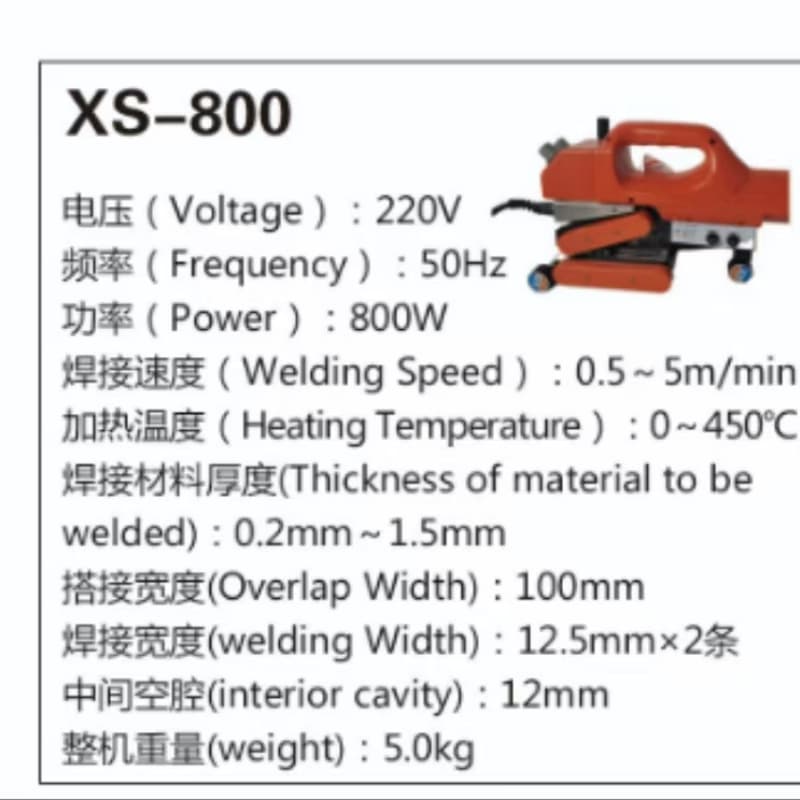
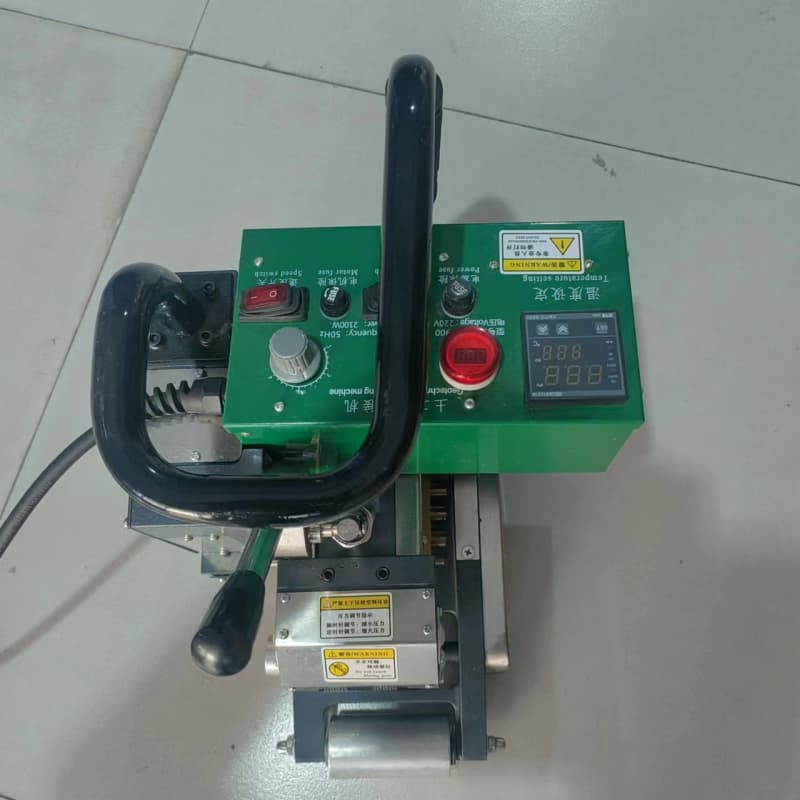
Choose the suitable geomembrane welding machine based on membrane thickness is of vital importance for the project construction. Geomembrane welding machines are divided into two categories — the red welding machine is designed for geomembranes below 1 mm, while the green welding machine is designed for geomembranes above 1 mm.
Whether the project is a fish pond, irrigation reservoir, water reservoir, landfill, mine tailings pond, wastewater treatment pond, or industrial containment facility, properly welding the geomembrane is an essential part of the installation process. Suitable geomembrane welding equipment for different membrane thicknesses, helping contractors improve welding efficiency, reduce manual operating errors, and address common field problems such as incomplete fusion, missed welds, discontinuous seams, and low installation efficiency.
Màu sắc :
Red, GreenThông số kỹ thuật :
39*26*30, 48*35*42Cân nặng :
8-16kgThời gian dẫn :
7-14 days after deposit paymentSự chi trả :
FOB (Can communicate and negotiate)Nguồn gốc sản phẩm :
ChinaCảng vận chuyển :
Qingdao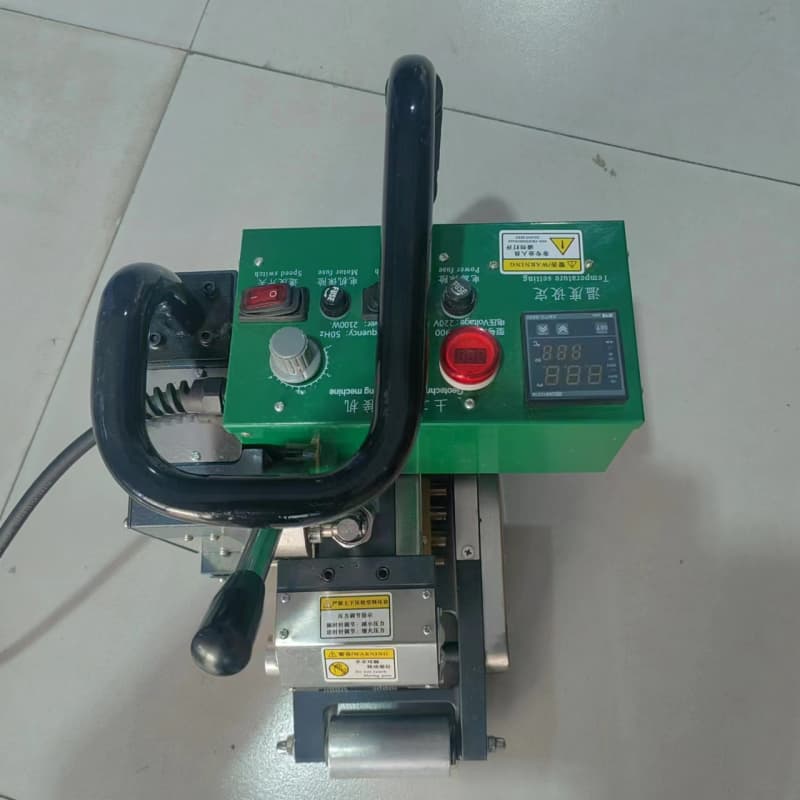
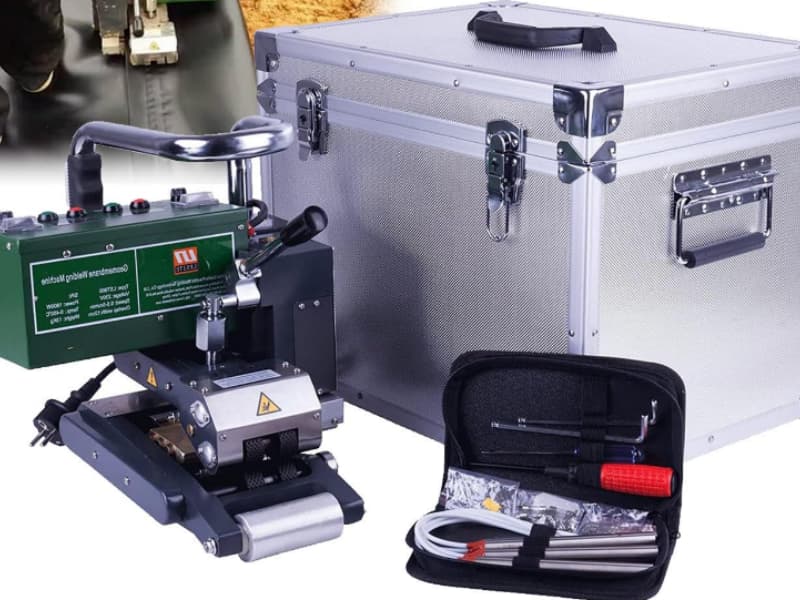
A Geomembrane Welding Machine is professional equipment designed to join geomembrane sheets in the field using thermal fusion welding.
The machine works through three basic processes: Heating → Pressure → Automatic Travel
The overlapping geomembrane surfaces are heated to a suitable welding condition and then pressed together while the machine moves continuously along the seam.
In large waterproofing and containment projects, multiple geomembrane sheets must be connected across long welding lines. Therefore, the welding machine directly affects installation efficiency and seam consistency.
1. Hot-Wedge Welding
The geomembrane welding machine uses a heated wedge to melt and fuse two overlapping geomembrane sheets. It creates a continuous double-track weld with a central air channel, which is suitable for pressure testing and leak detection. This welding method is commonly used for HDPE, LDPE, LLDPE and other thermoplastic geomembranes.
2. Adjustable Welding Temperature and Speed
The machine provides adjustable heating temperature to match different geomembrane materials and thicknesses. Operators can adjust the temperature to meet ambient conditions, material characteristics and welding requirements, helping maintain stable welding quality. According to the thickness and material of the geomembrane, the welding speed can be adjusted. A suitable welding speed provides sufficient heating and pressure while maintaining efficient installation.
3. Automatic Pressure Control
The machine applies controlled pressure to the overlapping geomembrane layers during welding. This maintains a consistent weld seam and reduces the risk of uneven bonding caused by manual operation.
4. Double-Track Welding Seam
The hot-wedge welding system forms two parallel welding tracks with an air channel between them. This design allows the completed seam to be tested by air-pressure testing, making it easier to identify potential leakage points.
5. Continuous Welding
The machine is designed for continuous welding along long geomembrane seams. Once the overlapping sheets are correctly positioned, the equipment can move forward automatically while heating, pressing and welding the material.
6. Suitable for Different Geomembrane Thicknesses
By adjusting welding temperature, speed and pressure, the machine can be used for geomembranes with different thicknesses. The appropriate settings should be selected to meet the actual material and project requirements.
| Item | Red Welding Machine | Green Welding Machine |
| Recommended membrane thickness | Below 1mm | Above 1mm |
| Core requirement | Precise heat control | Stable continuous welding |
| Main Advantage | Suitable for tinner geomembranes | Suitable for thicker geomembrane and larger projects |
| Typical applications | Aquaculture, agriculture, water projects | Landfills, mining,wastewater, industrial projects |
| Operation | Automatic travel | Automatic travel |
Operation Process
1. Prepare the Geomembrane Surface
Before welding, clean and dry the overlapping area of the geomembrane. Remove dust, mud, moisture and other foreign materials. Make sure the two sheets are properly aligned and have sufficient overlap for welding.
2. Check the Machine and Set Parameters
Check the power supply, heating system, drive system, pressure rollers and welding wedge before operation. Set the welding temperature, travel speed and pressure according to the geomembrane material, thickness and site conditions.
3. Perform a Trial Weld
Before continuous welding, perform a short trial weld using the same or similar geomembrane material. Check the appearance and bonding condition of the test seam and adjust the welding parameters if necessary.
4. Start Continuous Welding
After the welding wedge reaches the preset temperature, place the overlapping geomembrane correctly into the machine and start the drive system. The machine automatically moves forward while heating, pressing and welding the geomembrane to form a continuous double-track seam.
5. Monitor and Adjust During Welding
During welding, continuously monitor the temperature, speed, pressure and seam appearance. When geomembrane thickness changes, adjust the settings to meet ambient temperature or site conditions. Additional manual welding may be required for corners and complex areas.
6. Inspect and Test the Welded Seam
After welding, visually inspect the seam for continuity, uniformity and possible defects. For double-track welding, the central air channel can be used for air-pressure testing. Any defective area should be repaired and tested again before final acceptance.
A geomembrane welding machine is not normally certified under one universal international standard specifically named as a “geomembrane welding machine standard.” In practical engineering projects, the more important consideration is whether the welding equipment can produce consistent, high-quality geomembrane seams and whether the finished seams can be tested to meet the applicable project specifications. Therefore, geomembrane welding equipment is generally evaluated together with the welding process, seam quality, testing methods, operator procedures, and project requirements.
1. ASTM D6392
ASTM D6392 is one of the commonly referenced standards for evaluating seams made in nonreinforced geomembranes using thermal fusion methods.
The standard is particularly relevant to seam performance produced by welding processes such as:
It focuses on evaluating the strength and integrity of welded geomembrane seams through laboratory testing. Typical evaluations include seam separation behavior and the performance of the welded area under specified test conditions. For geomembrane welding machines, this means that the machine should provide stable welding temperature, pressure, and travel speed so that the resulting seam can achieve consistent quality when operated correctly.
2. ASTM D5820
ASTM D5820 is commonly associated with air-pressure testing of dual-track geomembrane seams. Dual-track hot wedge welding machines create two parallel welded tracks with an enclosed air channel between them. After welding, the air channel can be pressurized to check whether the seam remains continuous and the enclosed channel maintains pressure.
This testing method is particularly useful for field quality control because it allows installers to identify potential discontinuities or leakage paths along the welded seam. For double-track hot wedge welding equipment, stable welding conditions are therefore important for creating a continuous and testable air channel.
3. GRI-GM Series
The GRI-GM series provides widely referenced technical specifications and guidance for geomembranes used in containment applications.
GRI-GM specifications may address areas such as:
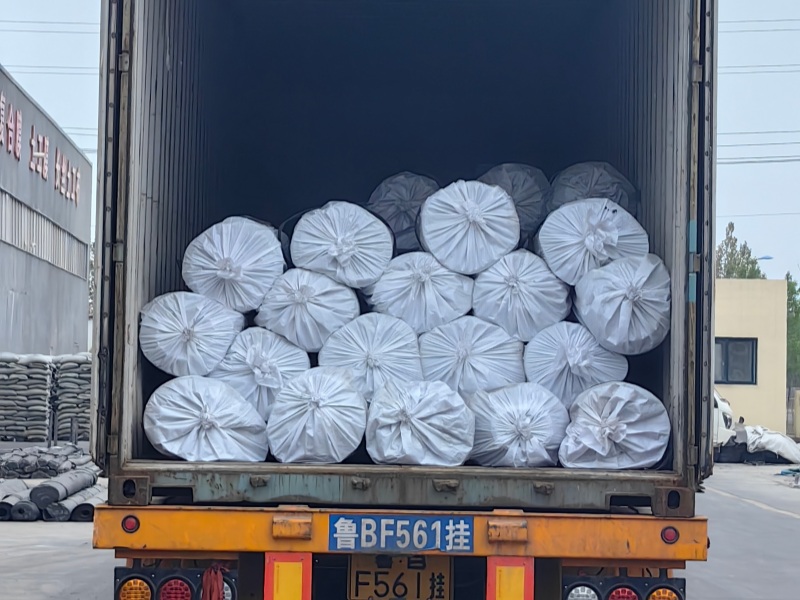
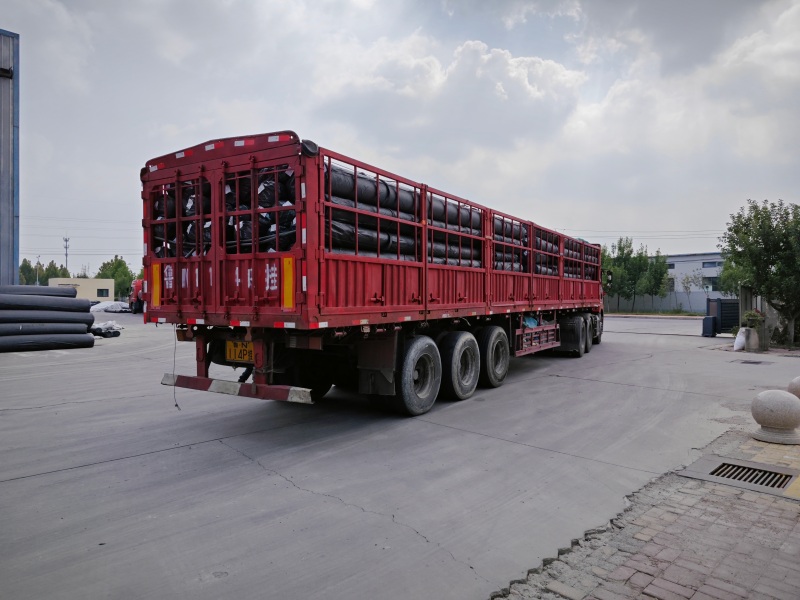
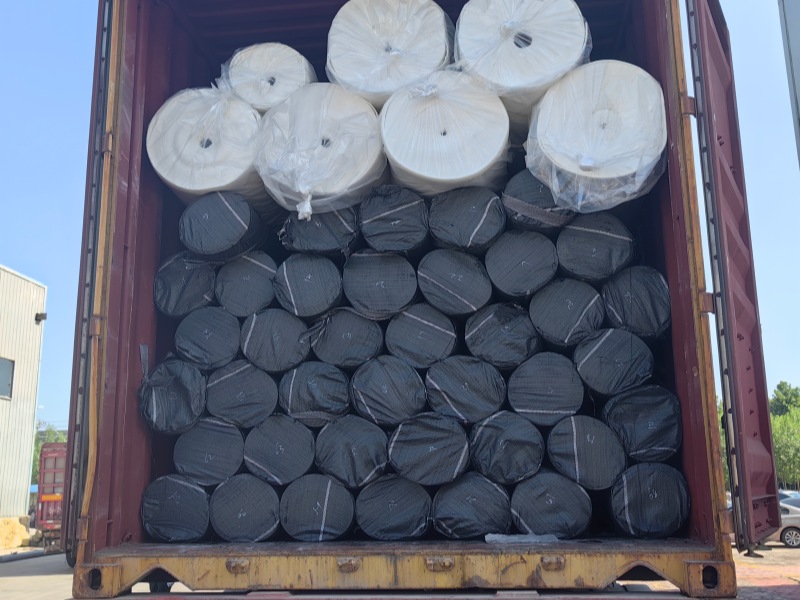
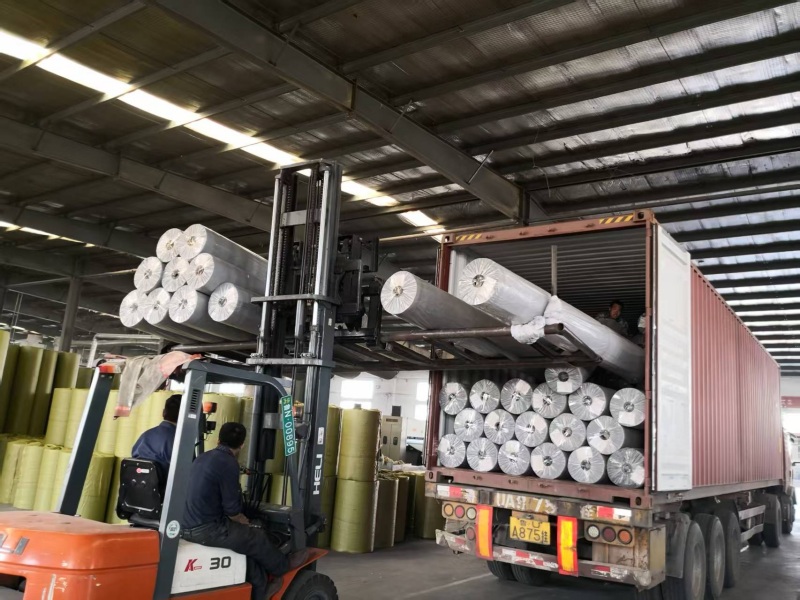
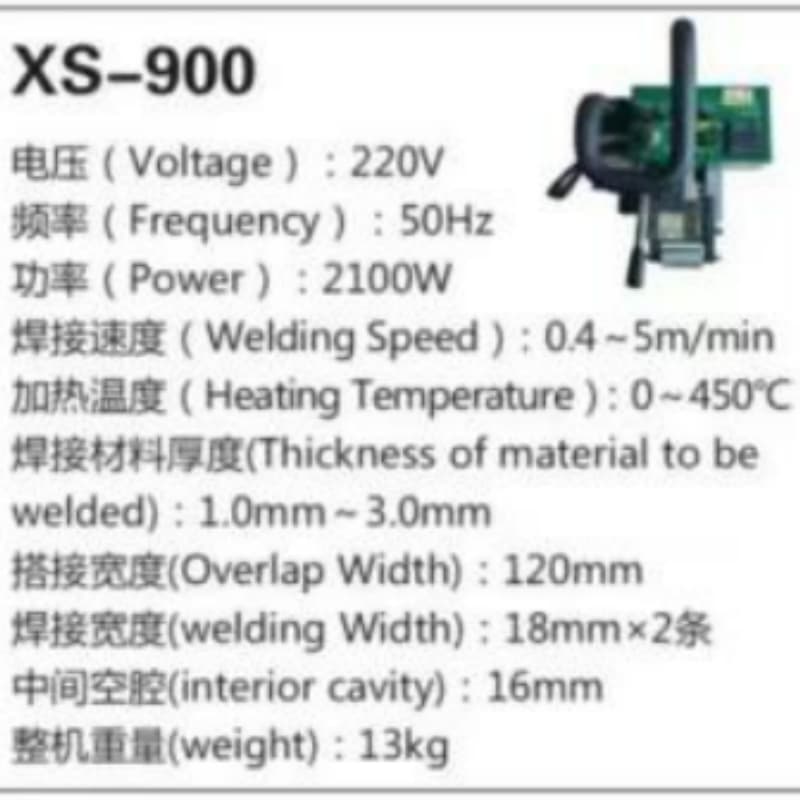
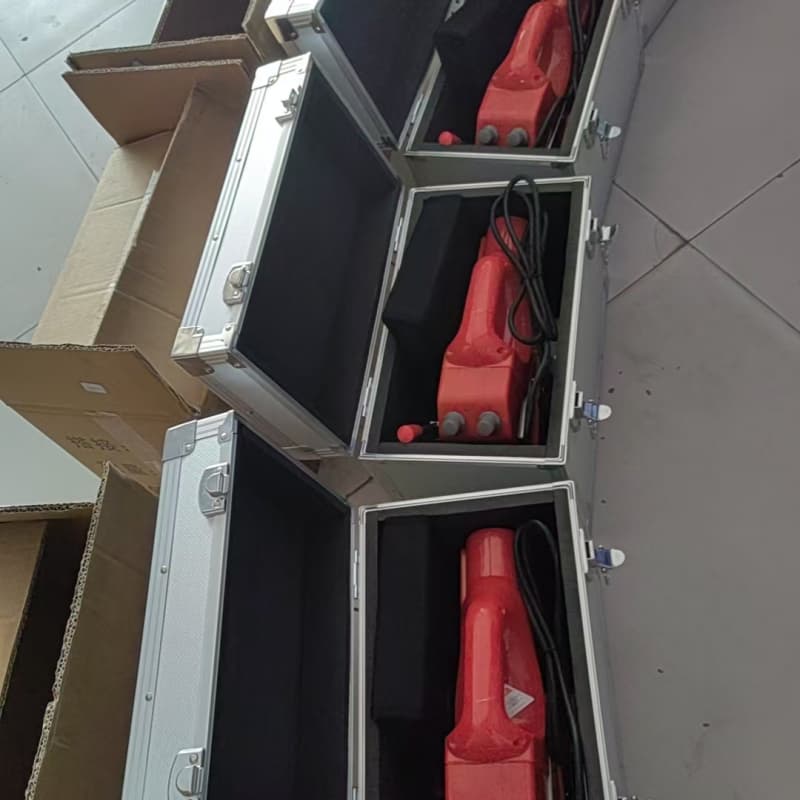
Packing and Delivery
 |
 |
 |
 |
 |
 |
 |
 |
FAQ
Q1: What Standards Apply to Geomembrane Welding Machine?
When using a geomembrane welding machine for field thermal fusion welding, engineering projects mainly focus on weld seam quality, welding procedures, and seam testing. Commonly referenced standards include ASTM D6392, which is used to evaluate the integrity of seams in non-reinforced geomembranes produced by thermal fusion welding. For dual-track welding with air-pressure testing, ASTM D5820 may also be referenced.
Q2: Which Welding Machine Should I Use for Aquaculture Ponds?
If the project uses geomembrane below 1 mm, the red geomembrane welding machine is generally recommended. If the geomembrane is above 1 mm, the green geomembrane welding machine is recommended.
Q3: Which Geomembrane Welding Machine Should I Use for Landfills?
Landfill projects commonly use relatively thick HDPE geomembranes, so the Green Geomembrane Welding Machine is generally the more suitable option. However, the final machine selection should be based on the actual geomembrane thickness, welding requirements, and project specifications.
để lại lời nhắn
Scan to Wechat/Whatsapp :



 English
 Français
 Deutsch
 Русский
 Español
 Português
 عربي
عربي Tiếng Việt
 Indonesia
 हिन्दी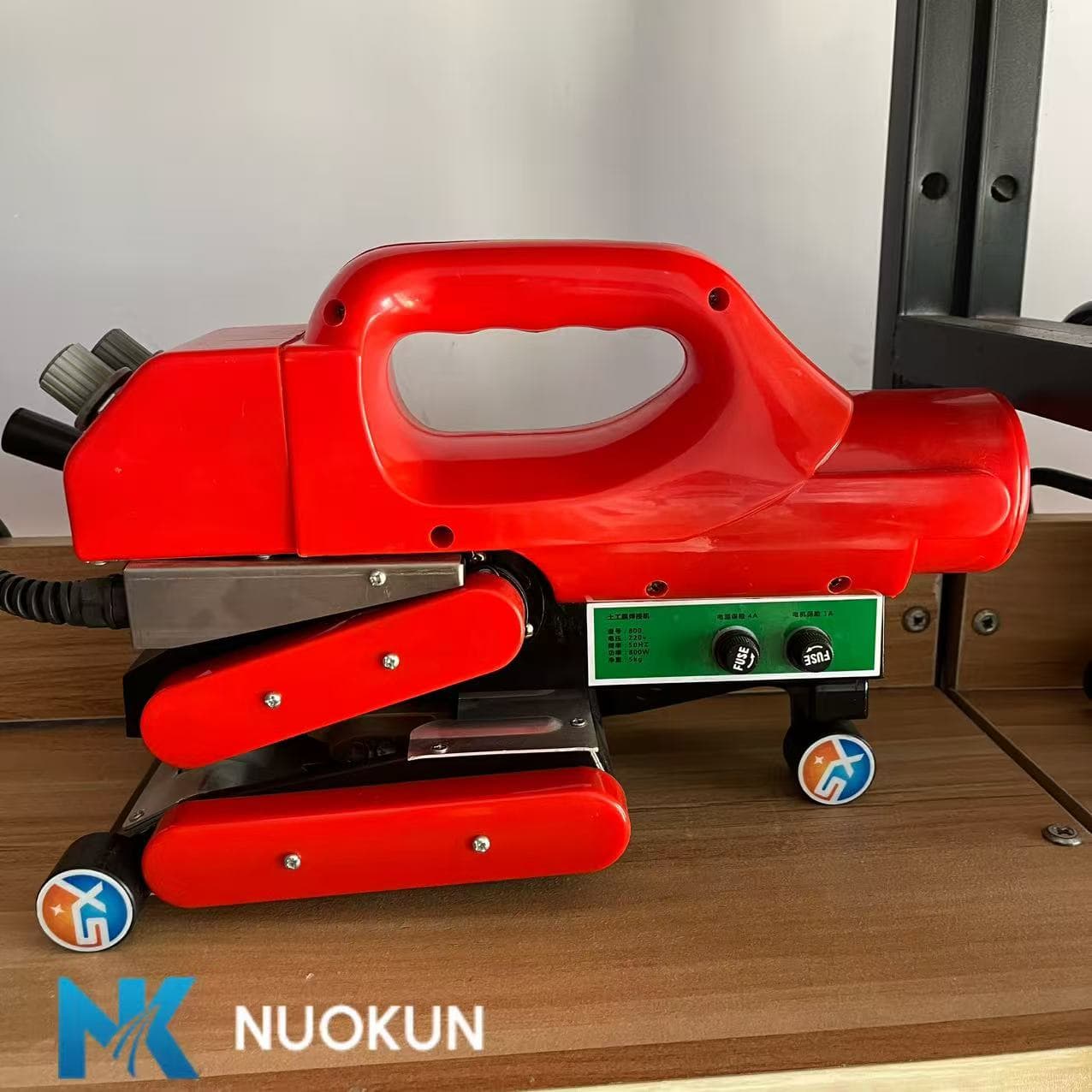



 IPv6 MẠNG ĐƯỢC HỖ TRỢ